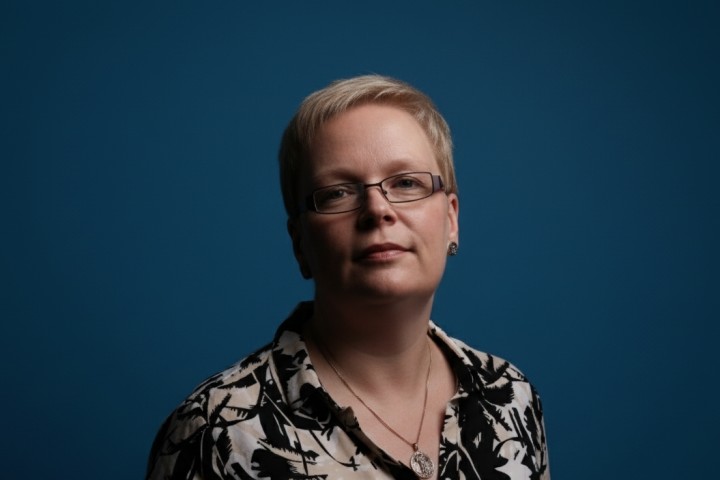
Two people, one invisible problem, and the work of making it visible.

We are István Borbíró and Corina Richter. Nexus Recognita is the organisation we built to put coordination capacity in cancer care onto a dataset for the first time.

The journey

We arrived from different sides. István from eight years inside oncology medical communications, watching coordination gaps get framed as education problems. Corina from organisational leadership and strategy, watching the same patterns emerge across systems she advised.

We took a closer look at the increasing complexities of cancer care. We both kept finding the same thing. A layer of work that held cancer care together, that had no name in any framework, that nobody measured, that the people carrying it had learned not to expect anyone to see.

We did the research; the problem we are here to solve is real. Sixty-nine studies of cancer care team coordination, across twenty-five countries. We built the Six Dimensions Framework. We took it to ESMO Berlin in October 2025 and listened to twenty professionals describe the problem we had named, in language still forming.

Then the question changed. Early 2026 taught us we were not here to educate the field about coordination. We were here to make coordination visible, measurably and in public, before AI implementation encodes the blindness permanently into the next generation of healthcare architecture.

October 17-21, 2025 — ESMO/EONS Congress, Berlin
Twenty conversations confirmed the problem was real. The language for it was not yet in the room. We could not name what was invisible.

March 3, 2026 — ECO/EONS Roundtable
A twelve-second silence followed the question of what framework exists for coordination in cancer care. Then, slowly, recognition from the panel and the chairs.

March 19, 2026 — Nexus Recognita Roundtable
Our first event. Three participants from three different health systems arrived at the same conclusion independently. The thesis was not just resonant. It was true.

Now
We put what we learned into action. The study is the first. The roundtables are where the field names what it has been carrying. What we build next is built on what the field tells us it needs.

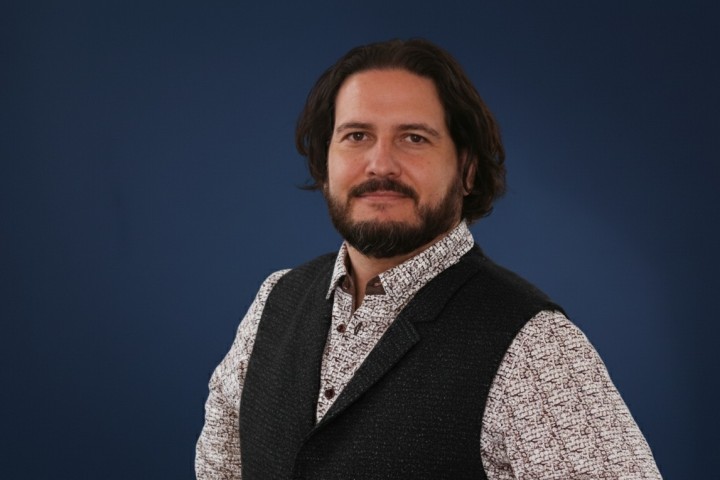
The two of us

What you can expect

Respect. We honour that the people in this work already hold expertise we do not. Our job is not to improve their judgement but to make visible what their judgement is already carrying. When we disagree, we say so carefully, and in the open. Standards are best kept through honest conversation, not polite agreement.

Integrity. We publish numbers we can defend. We name the moments we are uncertain. Last autumn we set a public milestone for ourselves. By September 2026 we need to have proof on the table, and we have said aloud what we will do if we do not. When we notice we are drifting, we say so before anyone asks.

Excellence. We carry two or three things deeply, rather than many lightly. Proof that a thing works before we scale it. The work takes the time it takes. We have chosen depth over speed and credibility over volume, and we have learned this costs something every week.

Autonomy. The people we work alongside decide what is worth experimenting with in their own sphere. We offer tools and attention. We do not tell them what to change. The methodology is built to stay with them without dependency on us.

Collaboration. We sit between specialists in a system that was never designed to coordinate them. We hold what is shared, name what is stuck, and stay curious about what we are missing. Collaboration here is structural, not ceremonial. It means connective tissue, not more meetings.

Purpose. We keep mission above money in this work, not alongside it. What we build is what makes coordination in cancer care visible. What we charge is what keeps the work sustainable without distorting it. What we refuse is the commercial shortcut that would trade the integrity of the methodology for faster revenue.

If you want to see where your team stands across all six dimensions, the study takes ten minutes.

Join the Coordination Study